



What the VIX Actually Measures
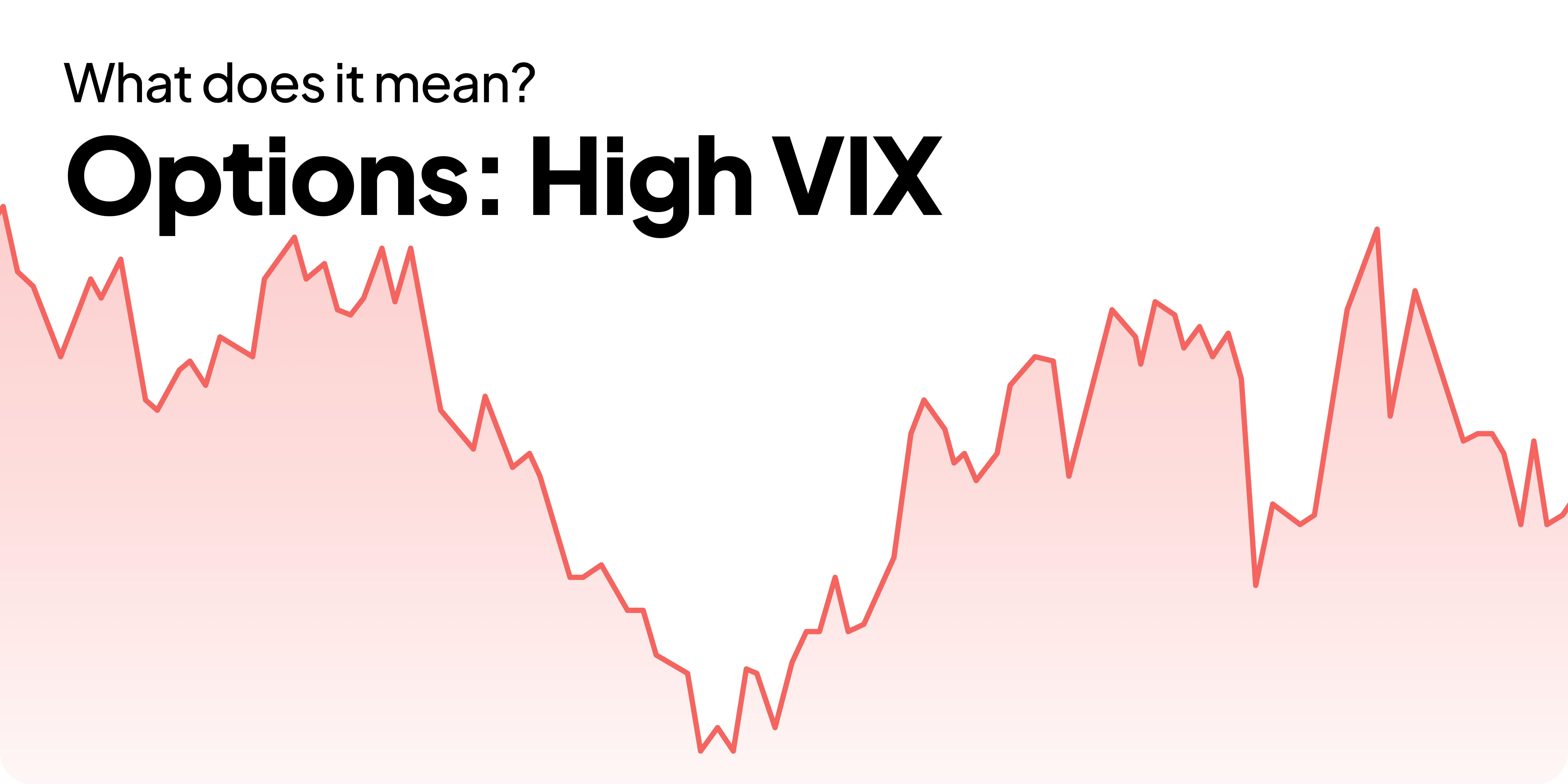
The VIX is often called the “fear index”, a common but informal nickname, but in practical terms it measures the market’s expectation of 30 day volatility for the S&P 500, expressed as an annualised percentage.
That level of expected volatility is derived from implied volatility embedded in shorter dated options prices, with expiries typically between 16 days and 44 days used to interpolate a constant 30 day expectation.
Why a High VIX Matters for Options Pricing
When the VIX is high, it shows that market pricing reflects an expectation of bigger and faster price swings in theS&P 500 over the next 30 days. Importantly, a high VIX does not mean markets will move sharply, it reflects expectations implied by options prices rather than a prediction of future movements.That expectation filters directly into option premiums.
So, what can a higher VIX be reflective of, for example:
● Heightened uncertainty around macro events, earnings announcements or geopolitical risk
● Increased two-way price movement where rallies and sell-offs can alternate quickly
● A shift in overall risk appetite, which may affect liquidity and bid-ask spreads
In general, when the VIX is higher:
● Options become more expensive: Higher implied volatility increases premiums for both calls and puts, all else being equal.
● Time decay becomes a smaller part of the price: More of the premium reflects volatility risk rather than simple time value.
● Breakevens widen: Because options contracts cost more, the underlying must move further for a strategy to become profitable, meaning a higher threshold must be met before a trade offsets its cost.
● Options sellers may receive higher upfront premiums: Higher options prices mean that strategies such as covered calls can generate greater premium income, though this comes with increased exposure to adverse price moves. Understanding this helps traders interpret what option prices are reflecting, rather than reacting only to the level of the index in isolation.
A higher VIX can result in increased costs of hedging or speculative strategies. That said, high volatility environments aren’t inherently positive or negative. In such condition hedging can still prove valuable, and buying options may offer greater exposure to larger absolute moves in the underlying, although losses are also possible if expectations are not met.
High VIX environments can be more difficult to navigate too however. Where there is higher volatility there is typically greater uncertainty and increased risk of loss, particularly for leveraged or short-option positions. These conditions reward discipline around position sizing and highlight the importance of robust risk management, including an understanding of worst-case outcomes and potential losses.
Practical Considerations for UK Traders
Check implied volatility (IV)directly on the contract. The VIX is a signal, not the full picture. It reflects expected volatility in the S&P 500 overall, not the specific instrument you are trading. This is always clearly shown on the Investa options card.
Assess whether the premium cost of placing a trade reflects your expectations. High IV means higher breakevens, so the underlying asset must move further, or volatility must remain elevated, for the position to perform as anticipated.
Watch liquidity. Spreads can widen during volatility spikes, which may increase trading costs and make entering or exiting positions more difficult, particularly in less actively traded contracts. Lower liquidity can also increase the risk of slippage and unfavourable execution prices.
Key Takeaway
A high VIX environment reflects market expectations of more volatility ahead, rather than a prediction of actual market direction or guaranteed price movement. Higher implied volatility can mean higher options premium costs and that the price moves required for strategies to perform as expected are more demanding. Understanding how the VIX and volatility can affect options pricing, risk exposure and timing around hedging or options selling can help traders better interpret market conditions and assess potential trade-offs.
Remember: Options trading carries significant risks and is not suitable for all investors. Always conduct thorough research, understand how different strategies may perform in varying market conditions, and never trade more than you can afford to lose. Past market behaviour is not a reliable indicator of future outcomes.
Capital at risk. Options are a complex financial product and not suitable for everyone. Other fees may apply. This information is not investment advice and does not consider your personal circumstances.